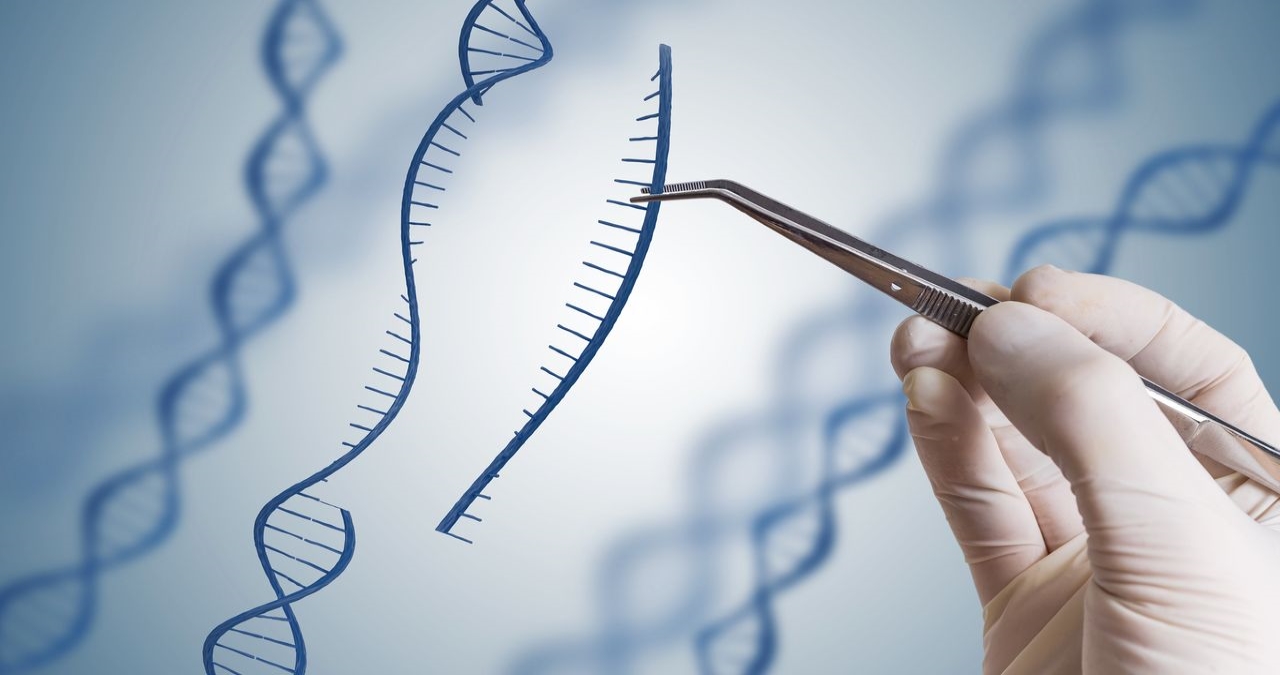
Researchers from the University of Washington School of Medicine combined the CRISPR technology with a protein designed with artificial intelligence to awaken individual dormant genes by disabling the chemical “off switches” that silence them.
This approach will allow researchers to understand the role of individual genes in normal cell growth, development, aging, diseases such as cancer. With this approach, researchers can safely upregulate specific genes to influence cell activity without permanently changing the genome and causing unintended mistakes.
The research findings by Hannele Ruohola Baker and Shiri Levy have been published in the journal Cell Reports. Hannele Ruohola-Baker, professor of biochemistry and associate director of ISCRM, led this research. David Baker, also a professor of biochemistry and head of the IPD, developed the AI-designed protein at the UW Medicine Institute for Protein Design (IPD).
Read more: Clearview AI Releases 2.0 Version of its Facial Recognition Platform
“This was a very important finding,” said Ruohola-Baker. “TATA boxes are scattered throughout the genome, and current thinking in biology is that the important TATA boxes are very close to the gene transcription site, and the others don’t seem to matter. The power of this tool is that it can find the critical PRC2 dependent elements, in this case, TATA boxes that matter.”
With this new technique and AI-Designed Protein, researchers can awaken individual dormant genes and control gene activity without altering the genome’s DNA sequence by targeting chemical changes that help package genes in our chromosomes and regulate their activity. Besides, since these modifications occur on top of genes instead inside the genes, they are called epigenetics. The chemical modifications responsible for regulating gene activity are called epigenetic markers.
Scientists are interested in epigenetic modifications because epigenetic markers contribute to aging, accumulate with time, and affect the health of future generations as we can pass them on to our children.
/w=1920,quality=90,fit=scale-down)
/w=1920,quality=90,fit=scale-down)